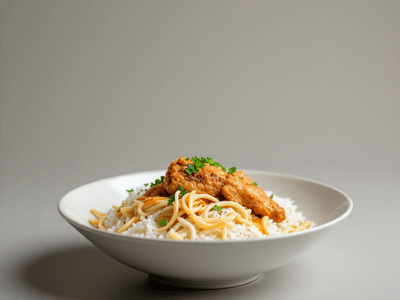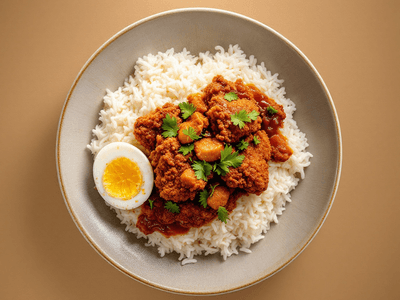
Nasi Lemak with Fried Chicken
Malaysian • Jain
How to Make Vegetarian Nasi Lemak with Fried Paneer (Traditional & Healthy Version)
Nasi Lemak is a beloved breakfast dish, featuring fragrant coconut rice served with a variety of accompaniments. While its roots trace back to Malaysia, the dish has found a special place in India, especially in cosmopolitan cities and during food festivals celebrating multicultural cuisine. Traditionally, Nasi Lemak is enjoyed with fried chicken, but here we present a vegetarian, health-conscious Indian adaptation using fried paneer, making it ideal for those seeking protein-rich, meatless options. The coconut-infused rice, tangy sambal, crunchy peanuts, and crisp cucumber come together to create a balanced meal with complex flavors and textures. This recipe is perfect for those who crave an indulgent yet nutritious breakfast or brunch. With a focus on local ingredients like basmati chawal (rice), paneer, and coconut milk, this Nasi Lemak celebrates the best of Indian produce and culinary creativity. It's an excellent choice for family gatherings, festive breakfasts, or as a hearty start to the day, aligning perfectly with the Indian love for flavorful, wholesome meals.
Ingredients(for 1 plate with rice, fried paneer, sambal, peanuts, cucumber, and sprouts)
- 1 cup Basmati chawal (rice) (long-grain)
- 1 cup Coconut milk (nariyal dudh)
- 1 cup Water (for cooking rice)
- 150 grams Paneer (cut into thick strips)
- 1/2 cup Besan (chickpea flour) (for paneer batter)
- 2 tbsp Rice flour (for extra crispiness) - optional
- 1 tsp Red chilli powder (lal mirch)
- as per taste Salt (namak)
- 1/4 tsp Turmeric powder (haldi)
- 1/4 cup Peanuts (roasted)
- 1 small Cucumber (thinly sliced)
- 1/4 cup Sprouted moong (for garnish) - optional
- 2 tbsp Cooking oil (for shallow frying)
- 1 small Onion (finely chopped for sambal)
- 1 medium Tomato (pureed for sambal)
- 2 cloves Garlic (crushed)
- 1 tsp Jaggery (gud, for sambal) - optional
Instructions
- 1
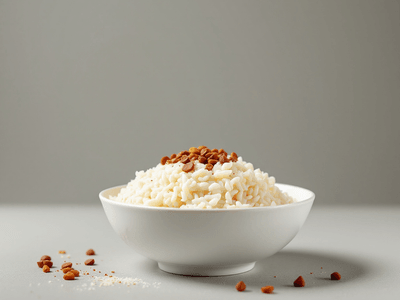
Rinse basmati chawal thoroughly and soak for 10 minutes. Drain and cook in a saucepan with coconut milk, water, and a pinch of salt until soft and fluffy. Fluff with a fork and keep warm.
15 minutes
Let the rice rest for 5 minutes after cooking for best texture.
- 2
Prepare paneer coating by mixing besan, rice flour, salt, red chilli powder, and turmeric with a little water to form a thick batter.
5 minutes
Rice flour in the batter makes the coating extra crisp.
- 3
Dip paneer strips in the batter and shallow fry on a tawa or skillet with minimal oil until golden brown on all sides. Drain on kitchen paper.
8 minutes
Shallow frying keeps calories in check while ensuring crispiness.
- 4
For sambal, sauté chopped onion and crushed garlic in 1 tsp oil until soft. Add tomato puree, red chilli powder, salt, and jaggery. Cook until thick and aromatic.
7 minutes
Add a splash of water if sambal becomes too thick.
Why This Dish is Healthy
Choosing shallow-fried paneer over deep-fried chicken significantly reduces saturated fat and calorie content. The use of whole foods, less oil, and high-fiber ingredients like moong sprouts and cucumber makes this dish heart-friendly and suitable for weight management. Coconut milk provides beneficial medium-chain triglycerides, and the recipe avoids refined sugars and excess salt.
This vegetarian Nasi Lemak with fried paneer is rich in protein, complex carbohydrates, and healthy fats from coconut milk and peanuts. Paneer adds calcium and protein, while moong sprouts and cucumber boost fiber, vitamin C, and B-group vitamins. Using minimal oil and including fresh vegetables ensures a balanced macro and micronutrient profile, supporting muscle repair, satiety, and energy needs.
Pro Tips
- 💡Tip 1: Always use fresh coconut milk for the most aromatic rice.
- 💡Tip 2: Marinate paneer with a pinch of salt and turmeric before coating for extra flavor.
- 💡Tip 3: Balance sambal's heat with a touch of jaggery for authentic taste.
Storage & Serving
Store leftover coconut rice and fried paneer separately in airtight containers in the refrigerator for up to 2 days. Reheat rice by steaming and paneer in a tawa for best results. Sambal keeps refrigerated for 3-4 days.
Best served: Breakfast or Lunch
Nutrition Facts
| Nutrient | Per 100g |
|---|---|
| Energy | 650.0 kcal |