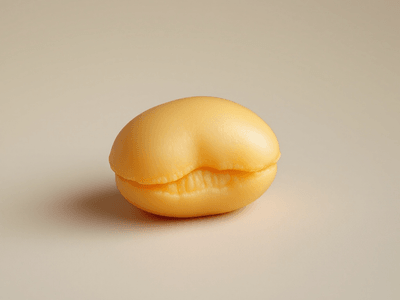
Tutu Kueh Peanut
Hawker • Singapore
About Tutu Kueh Peanut
Steamed rice flour cake with crushed peanut and sugar filling
How to Make Tutu Kueh Peanut (Traditional & Healthy Version)
Tutu Kueh Peanut is a beloved Singaporean dessert that embodies the spirit of local hawker culture. Originating from the bustling streets and kopitiams of Singapore, this steamed snack features soft, delicate rice flour cakes filled with fragrant, nutty peanut filling. The unique preparation method uses special moulds, and each piece is traditionally served on a square of pandan leaf for added aroma. Tutu Kueh is a nostalgic treat for many Singaporeans, evoking memories of childhood visits to pasar malams (night markets) and hawker stalls. The peanut version of Tutu Kueh is especially popular for its rich, roasted flavor balanced with just a hint of sweetness. It's light on the palate yet deeply satisfying, making it a perfect dessert or tea-time snack. In recent years, health-conscious Singaporeans have embraced Tutu Kueh with lighter, more wholesome ingredients without losing its authentic charm. Whether enjoyed at a busy hawker centre or made at home, Tutu Kueh Peanut continues to be a symbol of Singapore’s multicultural culinary heritage and a testament to simple, delicious comfort food.
Ingredients(for 2 pieces (traditional kopitiam portion))
- 1 cup Rice flour (Use freshly milled or store-bought; local: beras)
- 2 tablespoons Tapioca flour (Improves texture)
- 1/2 cup Water (Room temperature)
- 1/2 cup Roasted peanuts (Unsalted, coarsely ground)
- 2 tablespoons Brown sugar (Gula Melaka or palm sugar for more aroma)
- 4 pieces Pandan leaves (Cut into squares for base)
- 1/8 teaspoon Salt (To enhance flavor)
- 2 tablespoons Grated coconut (Fresh or desiccated, optional topping) - optional
Instructions
- 1
Prepare the peanut filling by mixing coarsely ground roasted peanuts with brown sugar and a pinch of salt in a bowl. Set aside.
3 minutes
Use gula Melaka for a richer, caramel-like aroma.
- 2
In a large mixing bowl, combine rice flour and tapioca flour. Gradually add water while mixing with your fingers until the mixture resembles fine, damp sand.
5 minutes
Do not over-wet; the mixture should clump when pressed.
- 3
Prepare your steamer and line the base with pandan leaf squares. This infuses the Tutu Kueh with authentic aroma.
2 minutes
Trim pandan leaves to fit your steamer or Tutu Kueh moulds.
- 4
Using Tutu Kueh moulds or small silicone cups, fill each mould halfway with rice flour mixture. Create a small well in the center and add 1 teaspoon of peanut filling.
5 minutes
Press filling gently to prevent spillage.
Why This Dish is Healthy
This healthy Tutu Kueh Peanut recipe is perfect for calorie-conscious eaters. It uses wholesome rice and peanuts, skips artificial flavorings, and leverages steaming—a low-fat cooking method. The inclusion of nuts adds protein and heart-healthy fats, keeping you fuller for longer. With its low saturated fat content and portion-controlled size, it’s a smart dessert choice for anyone watching their diet or seeking a light, energy-boosting snack.
Tutu Kueh Peanut is a naturally gluten-free dessert, made primarily from rice and peanuts—both of which are whole foods. Rice flour provides quick-digesting carbohydrates, while peanuts are rich in plant-based protein, healthy fats, and minerals like magnesium and potassium. Using minimal sugar and steaming (instead of frying) keeps this treat light on calories and free from saturated fats. Pandan leaves add aroma without adding calories, and optional coconut provides fiber and essential micronutrients. Moderation is key due to natural sugars, but overall, this dessert offers a nutritious, satisfying snack.
Pro Tips
- 💡Tip 1: Sift the rice flour before use to ensure a smooth, lump-free texture.
- 💡Tip 2: Use freshly roasted peanuts for maximum aroma and flavor.
- 💡Tip 3: Serve on pandan leaves to enhance the authentic Singaporean experience.
Storage & Serving
Best enjoyed fresh, but can be stored in an airtight container at room temperature for up to 8 hours. For longer storage, refrigerate and re-steam before serving to restore softness.
Best served: Breakfast or Lunch
Nutrition Facts
| Nutrient | Per 100g |
|---|---|
| Energy | 150.0 kcal |
| Protein | 3.0 g |
| Carbohydrates | 24.0 g |
| Total Fat | 5.0 g |
| Fiber | 1.0 g |