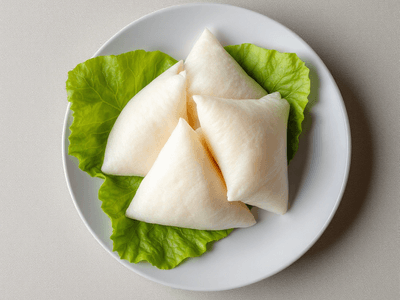
Ketupat
Hawker • Singapore
About Ketupat
Compressed rice cakes wrapped in woven palm leaf — served with satay
How to Make Ketupat (Traditional & Healthy Version)
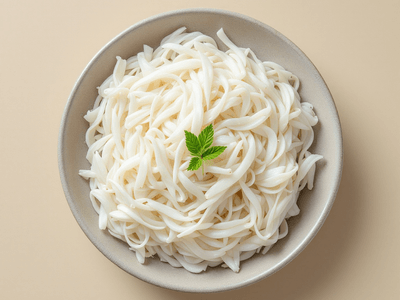
Ketupat is a beloved Singaporean snack, often seen gracing tables during festive gatherings and at bustling hawker centres. This iconic rice cake is made by steaming rice in woven palm leaf pouches, resulting in compact, fragrant parcels with a satisfyingly chewy texture. Ketupat is a staple at many kopitiams across Singapore and is commonly served alongside dishes like satay, lontong, or rendang, making it a versatile and essential part of local cuisine. Rooted deeply in Singapore’s multicultural heritage, ketupat captures the spirit of unity and sharing—it's a dish that transcends communities, enjoyed by all during Hari Raya and at family feasts. Its delicate, subtle taste allows it to pair beautifully with robust gravies or can be enjoyed on its own as a light, healthy snack. Today, with rising health awareness, many in Singapore appreciate ketupat for its simple ingredients and naturally vegan, gluten-free profile. Its gentle flavor and nutritional benefits make it a smart, comforting choice for anyone seeking an authentic taste of Singaporean hawker culture.
Ingredients(for 2 ketupat parcels (about 100g cooked rice each))
- 1 cup Uncooked white rice (use jasmine or local long-grain)
- 2 leaves Pandan leaves (tied in a knot for aroma) - optional
- 1/4 tsp Salt
- as needed Water (for boiling and soaking)
- 2-4 pieces Ketupat palm leaves (daun palas or daun kelapa, woven into pouches)
- small piece Banana leaf (optional, for serving) - optional
- 1 tbsp Fresh coriander (chopped, for garnish) - optional
- 1 tsp Sesame seeds (toasted, optional for added nutrition) - optional
Instructions
- 1
Rinse the uncooked rice thoroughly under running water until the water runs clear. Soak the rice in water for 1 hour to ensure even cooking and a soft texture.
10 minutes active, 1 hour soaking
Soaking helps the rice grains absorb water, resulting in a softer ketupat.
- 2
Carefully weave the palm leaves into square pouches, or use pre-woven ketupat casings available at markets. Set aside.
10 minutes
If weaving from scratch, follow simple video tutorials for best results.
- 3
Drain the soaked rice well. Gently fill each ketupat pouch with rice, filling only up to half to allow room for the rice to expand during cooking.
5 minutes
Do not overfill—packed ketupat will be too dense and may not cook evenly.
- 4
Seal the open ends of the palm pouches tightly. Place the filled ketupat in a large pot of boiling water, ensuring they are fully submerged.
2 minutes (plus 20 minutes cooking)
Lay pandan leaves in the water for extra fragrance.
Why This Dish is Healthy
This healthy Singaporean ketupat recipe is a wonderful alternative to fried or heavily processed snacks. By relying on simple steaming and natural ingredients, ketupat is easy to digest and can fit into most balanced diets. It’s naturally portion-controlled, and using whole-grain rice options can further enhance its health benefits, supporting heart health and sustained energy release.
Ketupat is naturally low in fat and contains no added oils, making it a light option for those watching their calories. The use of pandan leaves can add antioxidants, while the rice provides essential carbohydrates for energy. Ketupat is gluten-free, vegan, and can be made with brown rice for added fibre and B vitamins. The gentle steaming process preserves nutrients, and serving it with fresh herbs or seeds boosts its micronutrient profile.
Pro Tips
- 💡Tip 1: Soak rice thoroughly for the best texture and even cooking.
- 💡Tip 2: Use pandan leaves for an aromatic, authentic Singaporean flavor.
- 💡Tip 3: Don’t overfill the pouches—rice needs space to expand for fluffy ketupat.
Storage & Serving
Store leftover ketupat in an airtight container in the refrigerator for up to 3 days. Reheat by steaming or microwaving with a damp cloth to restore moisture. Do not freeze, as this alters texture.
Best served: Breakfast or Lunch
Nutrition Facts
| Nutrient | Per 100g |
|---|---|
| Energy | 130.0 kcal |
| Protein | 3.0 g |
| Carbohydrates | 28.0 g |
| Total Fat | 1.0 g |
| Fiber | 1.0 g |