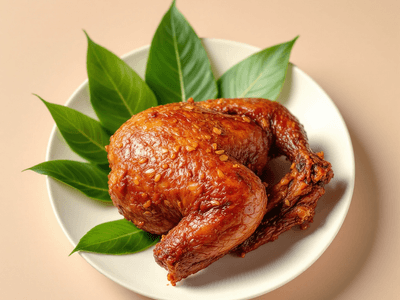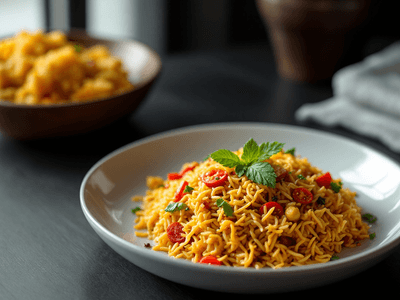
Nasi Padang
Global • halal_safe
About Nasi Padang
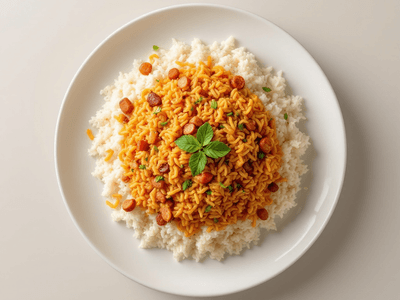
Steamed rice with various Padang-style curries and dishes
How to Make Nasi Padang (Traditional & Healthy Version)
Nasi Padang is a beloved Singaporean lunch dish that reflects the rich culinary heritage found in hawker centres and kopitiams across the island. Originally rooted in the Malay community, Nasi Padang has evolved through Singapore's multicultural food scene, integrating influences from Chinese, Indian, and Eurasian kitchens. This dish typically features steamed rice served with a selection of flavourful side dishes, ranging from spicy sambal chicken to vibrant stir-fried vegetables, making it a true reflection of Singapore’s fusion food culture. What sets Singaporean Nasi Padang apart is its communal nature, where diners select from a wide array of dishes displayed at hawker stalls. Each plate is a unique combination, suited to individual taste and dietary preferences. The variety ensures there’s something for everyone, whether you prefer spicy, tangy, or savoury flavours. Nasi Padang is an excellent choice for a nutritious lunch, offering balanced portions of protein, carbohydrates, and vegetables, ideal for those keeping an eye on calories without sacrificing taste. Its popularity in local kopitiams and hawker centres makes it an iconic part of Singapore’s everyday lunch fare, celebrated by locals and visitors alike.
Ingredients(for 1 plate with rice and assorted sides typical in Singapore kopitiam)
- 1 cup Brown jasmine rice (replaces white rice for lower GI)
- 200g Skinless chicken breast (ayam)
- 100g Long beans (kacang panjang)
- 100g Eggplant (terung)
- 1 medium Tomato (fresh, diced)
- 2 pieces Red chilli (cili merah, deseeded for less heat)
- 3 pieces Shallots (bawang merah)
- 2 cloves Garlic (bawang putih)
- 1 tbsp Light soy sauce (lower sodium option)
- 2 tbsp Coconut milk (light) (santan, reduced fat) - optional
- 1 tbsp Cooking oil (canola) (for sautéing)
Instructions
- 1
Cook the brown jasmine rice in a rice cooker or pot according to package instructions until fluffy.
15 minutes
Use less water for firmer rice, and rinse rice before cooking to remove excess starch.
- 2
Slice chicken breast into bite-sized pieces. Marinate with light soy sauce and minced garlic for 10 minutes.
10 minutes
Marinate in the fridge to keep chicken fresh and enhance flavour.
- 3
Heat oil in a pan. Sauté shallots, garlic, and chilli until fragrant. Add chicken and cook until lightly browned and cooked through.
7 minutes
Stir constantly to prevent burning the aromatics.
- 4
Add long beans and eggplant to the pan. Stir-fry until vegetables are tender, then mix in diced tomato.
5 minutes
Add a splash of water to help soften the vegetables without excess oil.
Why This Dish is Healthy
By choosing brown rice over white and trimming visible fat from chicken, this Nasi Padang offers a balanced macronutrient profile suitable for calorie-conscious eaters. The emphasis on fresh vegetables boosts vitamin and mineral intake, while light seasoning and minimal oil keep sodium and fat levels low. It is a great option for those seeking to enjoy Singaporean flavours without compromising on health.
This healthy Nasi Padang recipe is rich in lean protein from skinless chicken breast and packed with fibre and vitamins from long beans, eggplant, and tomatoes. Using brown jasmine rice increases whole grain intake, supporting digestive health and providing sustained energy. The dish delivers essential micronutrients like vitamin C, potassium, and antioxidants from colourful vegetables, while reduced-fat coconut milk and canola oil help limit saturated fat content for heart-friendly benefits.
Pro Tips
- 💡Tip 1: Slice vegetables evenly for uniform cooking.
- 💡Tip 2: Use light coconut milk or skip entirely for fewer calories.
- 💡Tip 3: Prepare side dishes in advance for faster lunchtime assembly.
Storage & Serving
Store leftovers in airtight containers in the fridge for up to 2 days. Reheat rice and sides separately to maintain texture. Avoid freezing coconut milk sauces.
Best served: Lunch
Nutrition Facts
| Nutrient | Per 100g |
|---|---|
| Energy | 720.0 kcal |
| Protein | 28.0 g |
| Carbohydrates | 65.0 g |
| Total Fat | 38.0 g |
| Fiber | 3.0 g |