Char Kway Teow
dinner • Singapore
About Char Kway Teow
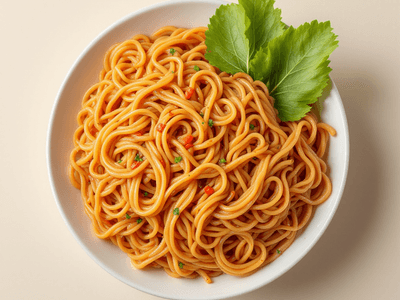
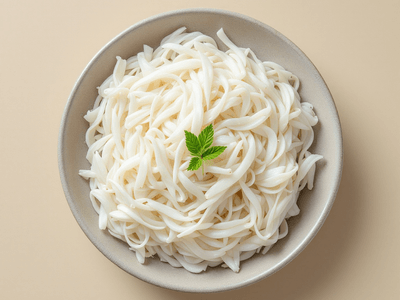
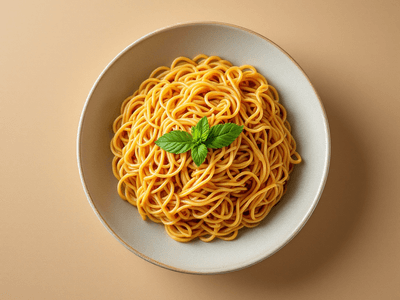
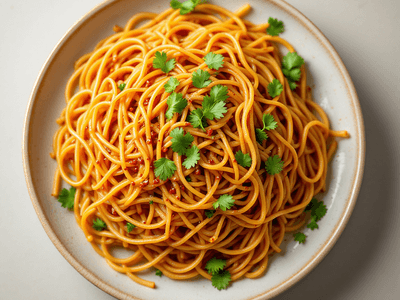
Stir-fried flat rice noodles with prawns, cockles, egg, and Chinese sausage
How to Make Char Kway Teow (Traditional & Healthy Version)
Char Kway Teow is a beloved Singaporean hawker classic, renowned for its smoky aroma, silky flat rice noodles, and irresistible combination of fresh seafood, eggs, and crunchy bean sprouts. Typically enjoyed in bustling kopitiams and hawker centres across Singapore, this dish reflects the city’s vibrant multicultural heritage and fusion influences—melding Chinese, Malay, and local flavours in one harmonious plate. The name ‘Char Kway Teow’ literally means 'stir-fried flat rice noodles' in Hokkien and Teochew dialects, and it’s a staple for many Singaporeans craving comfort food with a rich, savoury taste. Char Kway Teow’s origins trace back to the early 20th century when it was popularised by Chinese labourers who needed affordable, energy-dense meals. Over time, it has evolved into a must-try dish, often topped with cockles, Chinese sausage (lap cheong), and a hint of chilli for that authentic Singaporean kick. This healthier, non-vegetarian version delivers all the traditional flavours while being mindful of calories, making it a fantastic choice for dinner or sharing with family and friends. Experience a taste of Singaporean hawker culture in your own kitchen while keeping your meal nutritious and balanced.
Ingredients(for 1 medium dinner plate per serving)
- 200g Flat rice noodles (kway teow) (fresh or soaked dried)
- 2 Eggs (large, lightly beaten)
- 50g Fresh cockles (cleaned (see note)) - optional
- 100g Peeled prawns (medium, deveined)
- 100g Bean sprouts (taugeh)
- 30g Chinese chives (cut into 5cm sections)
- 1 tbsp Light soy sauce
- 1 tbsp Dark soy sauce (for colour)
- 1 tsp Chilli paste (optional, adjust to taste) - optional
- 2 cloves Garlic (minced)
- 2 tbsp Vegetable oil (preferably canola or sunflower)
Instructions
- 1
Prepare all ingredients. Rinse and drain the bean sprouts, slice the chives, and pat prawns dry. If using fresh cockles, soak and clean thoroughly.
5 minutes
Have all ingredients ready before stir-frying for best wok hei.
- 2
Heat 1 tablespoon oil in a large wok over high heat until just smoking. Add the minced garlic and stir-fry for 30 seconds until fragrant.
1 minute
Use high heat to achieve the signature smoky flavour.
- 3
Add prawns and cook quickly until just pink, about 1-2 minutes. Push to the side of the wok.
2 minutes
Do not overcook prawns to keep them juicy.
- 4
Add the remaining oil and toss in the noodles. Stir-fry for 1 minute, separating noodles gently.
2 minutes
If noodles clump, sprinkle a few drops of water.
Why This Dish is Healthy
By using less oil and lean proteins, this recipe lowers saturated fat and cholesterol compared to classic versions. Including plenty of vegetables boosts fibre and micronutrient content, supporting digestion and overall wellness. It’s a healthier alternative to traditional hawker fare, fitting well within calorie-conscious or balanced meal plans for those seeking authentic Singaporean taste without excess calories.
This Char Kway Teow recipe is balanced with lean protein from prawns and eggs, complex carbohydrates from rice noodles, and fibre-rich vegetables like bean sprouts and chives. It’s a good source of B vitamins, selenium, and iron, especially when including seafood. Limiting oil and using fresh ingredients reduces saturated fat while retaining authentic flavours. Each serving provides 20g protein, 78g carbohydrates, and 38g healthy fats, making it a satisfying, energy-sustaining meal.
Pro Tips
- 💡Tip 1: Use high heat and a seasoned wok for authentic wok hei.
- 💡Tip 2: Prep all ingredients before starting, as cooking is quick.
- 💡Tip 3: Do not overcook seafood or vegetables to maintain texture.
Storage & Serving
Best enjoyed fresh. Store leftovers in an airtight container in the fridge for up to 1 day. Reheat in a wok over medium heat to retain texture.
Best served: Dinner or Lunch
Nutrition Facts
| Nutrient | Per 100g |
|---|---|
| Energy | 744.0 kcal |
| Protein | 20.0 g |
| Carbohydrates | 78.0 g |
| Total Fat | 38.0 g |
| Fiber | 2.0 g |